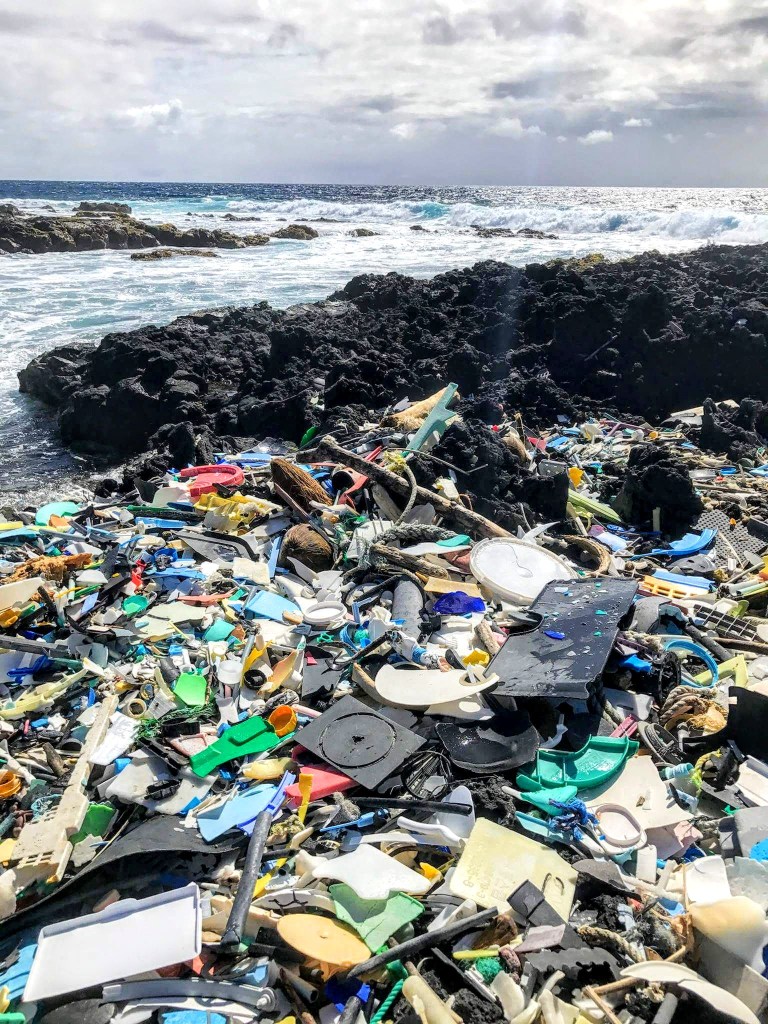
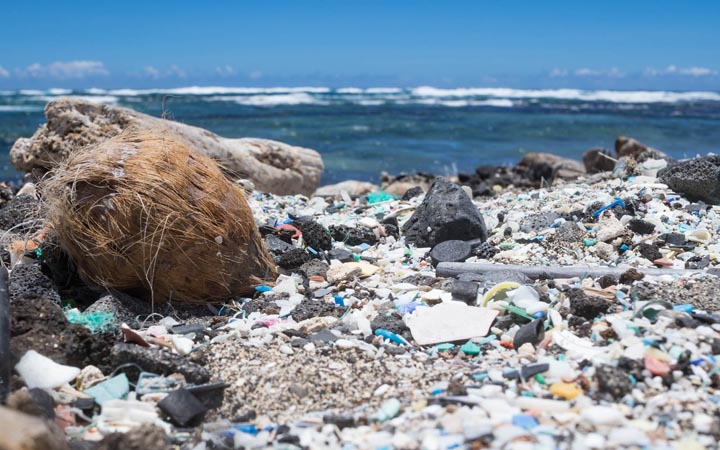
One might see Hawaii as an escape to paradise, with its beautiful mountains, wildlife, and famous waves, but did you know Hawaii contains one of the worlds’s dirtiest beaches? Well, it is true. Kamilo Beach has been dubbed one of the most plastic-polluted spots on the entire planet.
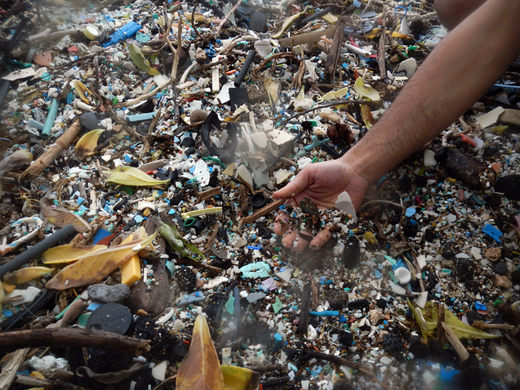
Kamilo Beach, known locally as “Trash Beach”, is located on the southeast coast of the island of Hawaii. This beach is known for its great accumulation of any trash imaginable from the Great Pacific Garbage Patch. Due to the many unique currents that run near Hawaii, these currents are dragging a near constant stream of trash to this beach. 90% of all debris that washes up on the Kamilo Beach shoreline is plastic. An estimated 15-20 pounds of plastic will wash ashore annually.
But, does this topic affect you directly? The answer is no. So why should you care? Well here are some very persuasive reasons as to why you should care about Kamilo Beach.
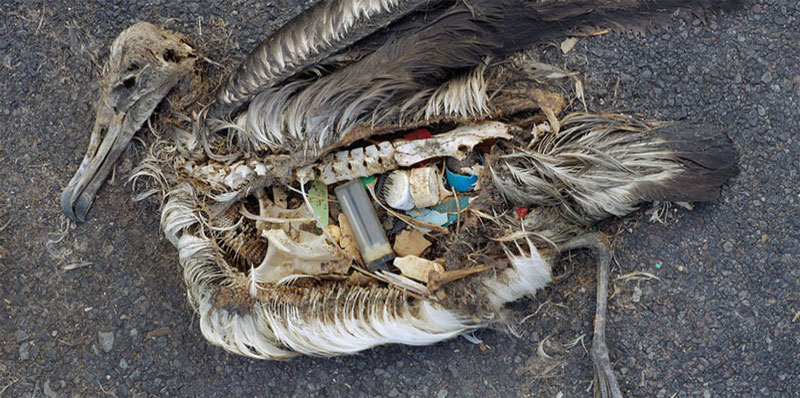
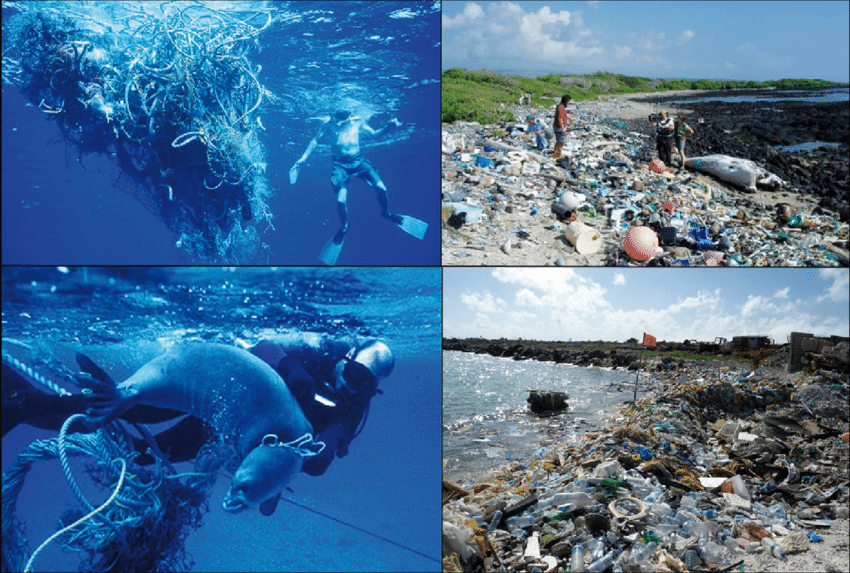
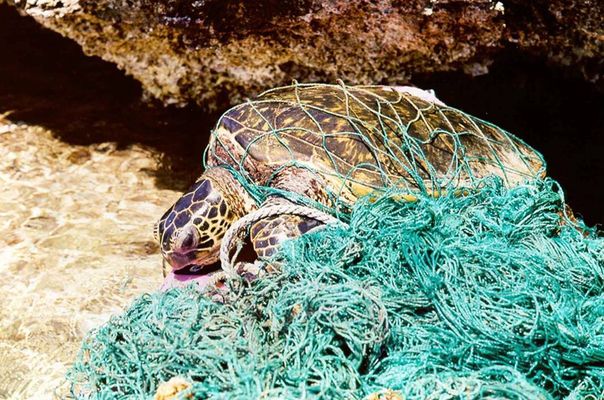
This topic matters due to its impact on the environment. Here we see debris washing up on the shore that will pose a lethal hazard for the wildlife. Whether the animal is an endangered sea turtle or an overpopulated seabird, both are being affected. Adult seabirds feed their chicks plastic, mistaking it for food, which results in many chicks dying at a very young age. Populations of animals like the seabird are decreasing due to the hazard of the trash. Some of the plastic that washes ashore contains poisonous chemicals that will release into the ocean when broken down. These poisonous chemicals then are let into the sea, turning the ocean into a lethal hazard for animals and humans.
Although some of the items comprising the trash are household products, a vast majority of the plastic is fishing related. This includes fishing line, nets, rope, crates, and baskets.
Local members of the Hawaii Wildlife Fund (HWF) gather each weekend to participate in regular cleanups that prevent the trash buildup, but the daily debris is endless.
15-20
tons of trash washes up annually along Kamilo’s coastline.
Captain Charles Moore takes a look into Kamilo Beach, which is in the running for Dirtiest Beach in the World, thanks to the plastic waste that accumulates there.
Leah Sherwood is an intern with HawaiiWildlifeFund and a graduate student at the University of Hawaii at Hilo. As an intern at the Hawaii Wildlife Fund, she spends some of her weekends helping cleanup Kamilo Beach. She is a local resident in Hilo and volunteers regularly to give back to the community.
Leah states, “As the day begins for beach cleanup, we fill up dozens of meter-tall reusable bags that have been collected over the years by HWF. This is the most environmentally responsible way to haul away plastic debris from the beach without adding more plastic bags to the landfill.”
When asked about types of removal, Leah states, “We also try to remove as much fishing gear such as line, rope, and nets from the environment as possible. Discarded net and line bundles cause severe damage to wildlife and will persist indefinitely if not removed from the environment because they were designed specifically to withstand the tough ocean environment.
Finally, Leah was asked what happens at the end of the day after the cleanup and where does all that plastic go? Leah says, “Once we are finished, we pack trucks full of collected plastic debris, and head to the waste transfer station near Wai‘ohinu Park. At the transfer station, the volunteers line up single file behind a trailer and pass one bag or large debris item at a time down the line for disposal. Other volunteers will count and organize the bags to document the day’s haul while others toss the plastic contents into the dump.”
Leah Sherwood is a great example of someone who is making a difference in her community. She has dedicated her life to cleaning up this planet and has made a huge impact on just one small aspect, Kamilo Beach.
It may be difficult to care about this topic due to how small it may be compared to other beaches. For example, this may be only one beach that is trashed out of 100 in all of Hawaii. So why not just go to the nice clean beach? After all, there are way more clean beaches than polluted ones. One might also think that this is just one beach and the cleanup efforts are around the clock, so why should I help if others are already helping? It may be difficult to care about this topic, but familiarizing yourself with it, will allow you to truly care about this immense matter.
For the sake of marine life, pollution, global warming, and even humanities sake, lets allow ourselves to immerse into this topic and become familiar with it. This beach has been polluted for more than 15 years. Why has the media never made this topic known to the public? If more of the general population knew what Kamilo Beach is, then maybe this beach could be given the attention it deserves.
What more will it take?
One can immerse themselves into helping Kamilo Beach in many different ways. One of the most impactful ways is to join a beach Cleanup crew.
The Hawai’i Wildlife Fund (HWF) puts on many different beach cleanups at Kamilo Beach where everyone is welcome. You just have to make sure you RSVP a spot for your designated cleanup. To RSVP call Megan Lamson at (808) 769-7629 or send an email to khaki.cleanups@gmail.com.
Another way you can help Kamilo Beach is to donate. Donating to the Hawai’i Wildlife Fund (HWF) allows the non-profit to continue having beach cleanups regularly. With these beach cleanups comes a clean beach which allows for less pollution and a healthier life for marine animals. You can donate to this link https://www.wildhawaii.org/donate.html!!



 Kamilo Beach